

Edil A. Sepúlveda Carlo is a NASA earth scientist, geologist, environmental attorney, community activist, and avid traveler living between Puerto Rico and Washington, DC. At NASA, he works on Earth Science missions connecting satellite and scientific data to real-world applications on disaster recovery, resilience, and environmental justice.


Satellite-based assessment of electricity restoration efforts in Puerto Rico after Hurricane Maria
Published: June 28, 2019
The article uses satellite imagery to reveal the real pace of Puerto Rico’s power recovery after Hurricane Maria. It shows that poorer, rural, and less dense communities often waited longer for electricity. In the process, it frames disaster recovery as both an infrastructure issue and an inequality issue.
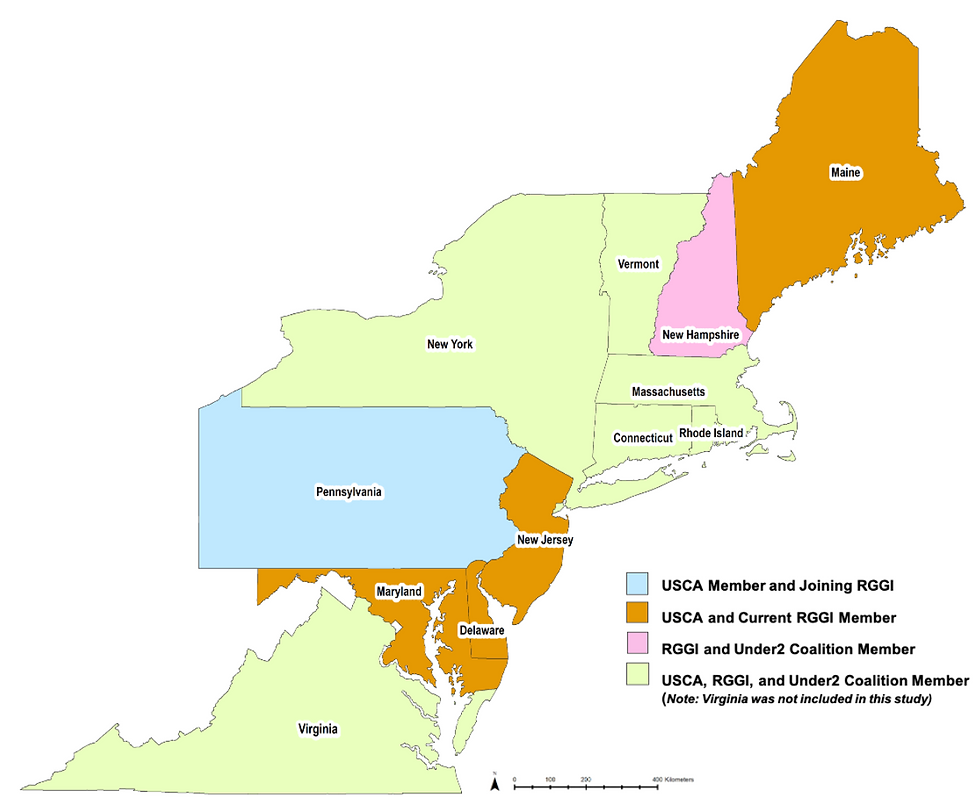
Context and Future Directions for Integrating Forest Carbon into Sub-National Climate Mitigation Planning in the RGGI+ Region of the U.S.
Published: December 11, 2020
The study examines how 11 RGGI states in the eastern U.S. are including forest carbon in their climate action plans, because apparently even trees now need a policy framework. It compares state policies, emissions goals, measurement methods, and scientific needs to assess how ready each state is to use forests for climate mitigation.

Carbon monitoring and above ground biomass trends: Anchor Forest opportunities for tribal, private and federal relationships
Published: 2022
This study shows how the Anchor Forest concept can help Tribal, private, and federal land managers work together to improve forest health, reduce wildfire risk, and build resilience in eastern Washington. It also highlights how shared carbon monitoring and biomass data can support better restoration planning and long-term land stewardship.